Gene Editing Market Forecasted to Hit $7.59 Billion by 2029 Amid Technological Breakthroughs

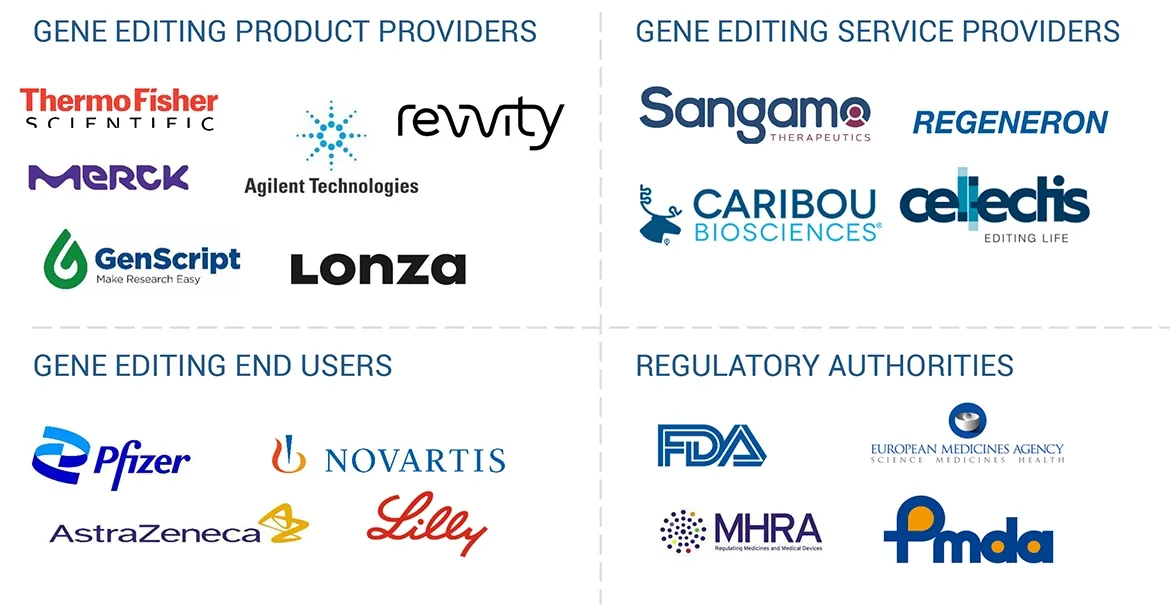
The global gene editing market is poised for a period of robust expansion, with new projections estimating the sector will reach $7.59 billion by 2029. According to the latest industry analysis from MarketsandMarkets, the market—valued at $4.66 billion in 2024—is expected to grow at a Compound Annual Growth Rate (CAGR) of 10.2%.
Download PDF Brochure:https://www.marketsandmarkets.com/requestsampleNew.asp?id=231037000
This surge is largely credited to the rising prevalence of genetic disorders and a massive shift toward personalized medicine, where treatments are tailored to a patient's specific genetic profile.
CRISPR Dominates as New Technologies Emerge
While CRISPR remains the powerhouse of the industry, accounting for the largest share of the technology segment in 2023, the landscape is rapidly diversifying. Newer methods such as Prime Editing and Bridge RNA are gaining traction by offering higher precision and reduced "off-target" effects—a long-standing safety concern in the field.
Key industry players are already capitalizing on these advancements through strategic acquisitions and partnerships:
- Agilent Technologies recently acquired BIOVECTRA to bolster its biologics and gene editing capabilities.
- Merck KGaA integrated Mirus Bio into its portfolio to enhance viral vector manufacturing.
- Revvity and GenKOre have teamed up to develop innovative in vivo gene therapies for ocular disorders.
North America Leads, While Asia Pacific Accelerates
Currently, North America holds the title of the largest regional market, bolstered by significant government backing. The U.S. National Institutes of Health (NIH) has invested over $814 million in gene editing projects as of late 2024, focusing on moving research from the lab to clinical applications.
However, the Asia Pacific region is identified as the fastest-growing market. This growth is fueled by a surge in R&D activities and the rapid adoption of genomic technologies for diagnostics in countries like China and South Korea.
Navigating Scalability and Ethical Hurdles
Despite the financial optimism, the industry faces significant "growing pains." High equipment costs and the complexity of scaling up from experimental trials to commercial production remain major challenges for smaller biotech firms.
Furthermore, safety remains a primary focus. The potential for unintended genetic modifications—known as off-target effects—continues to drive rigorous regulatory oversight and ethical debates regarding germline editing.
The Road Ahead: Microbiome and Infectious Diseases
Looking forward, the industry is eyeing "white space" segments for the next wave of growth. Microbiome editing is emerging as a high-potential zone, with startups like Eligo raising millions to test CRISPR-based treatments against gut pathogens. Additionally, the use of gene editing to create a new class of antimicrobials to fight antibiotic-resistant bacteria is expected to offer significant ROI for early movers.
As Thermo Fisher Scientific,Merck KGaA, and GenScript continue to build out integrated platforms, the transition from rare disease research to mainstream therapeutic use appears closer than ever.