Brazil Emerges as Strategic Hub in Expanding Global Monoclonal Antibody Therapeutics Market

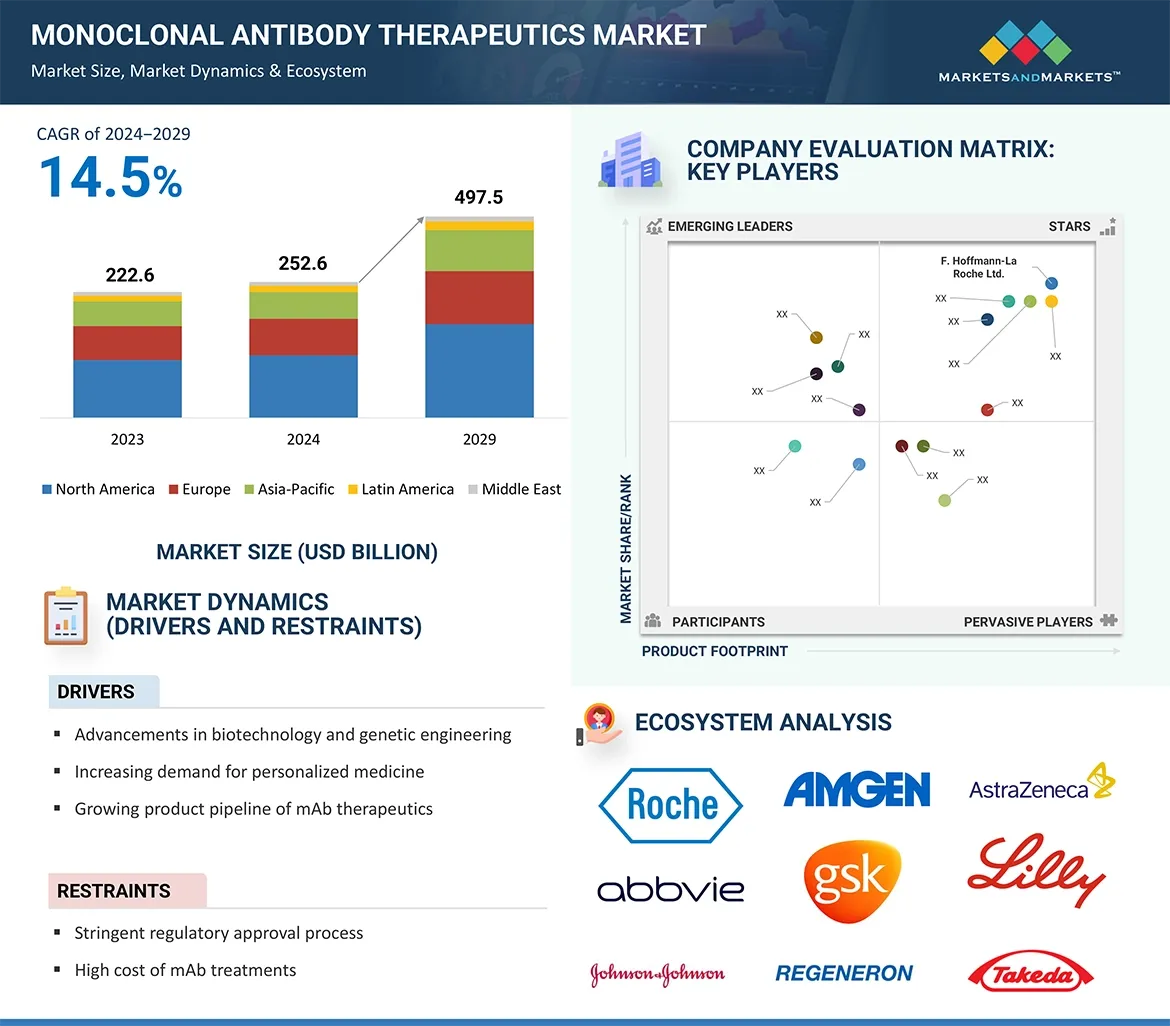
The global monoclonal antibody (mAb) therapeutics sector is undergoing a period of unprecedented transformation, driven by breakthroughs in biotechnology and a shifting geographic landscape. As healthcare systems worldwide prioritize precision medicine, the market—valued at US$252.6 billion in 2024—is poised to grow at a compound annual growth rate (CAGR) of 14.5%, reaching an estimated US$497.5 billion by 2029.
Download PDF Brochure:https://www.marketsandmarkets.com/pdfdownloadNew.asp?id=115323820
Global Market Overview
The rapid expansion of the monoclonal antibody therapeutics market is underpinned by the increasing prevalence of chronic and complex diseases, particularly in oncology, autoimmune disorders, and hematology. In 2023, the In-Vitro production method held the dominant market share due to its scalability and cost-effectiveness, while human-derived antibodies continue to lead the source segment by offering enhanced safety profiles and reduced immunogenicity.
Key Trends and Growth Drivers
Several critical factors are propelling the industry toward its nearly half-trillion-dollar valuation:
- Biotechnological Advancements: Innovations in recombinant DNA technology and protein engineering have allowed for the development of highly targeted therapies with improved pharmacokinetics.
- Expansion of Therapeutic Areas: While oncology remains a primary focus, there is significant momentum in applying mAbs to neurological disorders and rare genetic conditions.
- Regulatory Support: Streamlined approval processes by international regulatory bodies are expediting the transition of clinical pipeline products to the commercial market.
Regional Insights and the Role of Emerging Markets
While North America remains the largest regional market due to high healthcare expenditure and a robust R&D infrastructure, the growth trajectory is shifting toward the Asia Pacific and Latin American regions.
Brazil has increasingly positioned itself as a strategic hub for biopharmaceutical investment in the Southern Hemisphere. As the global industry seeks to diversify manufacturing and clinical trial footprints, Brazil’s rising adoption of mAbs and its focus on monoclonal development funding reflect broader trends seen in high-growth emerging markets. Meanwhile, Europe is expected to witness the highest CAGR during the forecast period, driven by a surge in product approvals and a sophisticated biosimilar landscape.
Competitive Landscape
The global market is characterized by a mix of established pharmaceutical giants and specialized biotech firms. Key players driving innovation and market share include:
- F. Hoffmann-La Roche Ltd(Switzerland)
- AbbVie Inc.(US)
- Johnson & Johnson Services, Inc.(US)
- AstraZeneca(UK)
- Merck & Co., Inc.(US)
These organizations are increasingly focusing on strategic collaborations and the development of biosimilars to mitigate the high cost-burden on patients—a primary restraint in the current global market.
Future Outlook
The outlook for the monoclonal antibody therapeutics industry remains resilient. As production methods become more refined and personalized medicine becomes the standard of care, the integration of new therapeutic areas will continue to create lucrative opportunities. Stakeholders are expected to focus on optimizing manufacturing processes to ensure sustainability and broader global accessibility through the end of the decade.
Download PDF Brochure:https://www.marketsandmarkets.com/pdfdownloadNew.asp?id=115323820