Spain Medical Stick-to-Skin Adhesives Market Import and Export Statistics

Download PDF BrochureInquire Before Buying
The Spain medical stick-to-skin adhesives market is all about the specialized sticky stuff used in hospitals and clinics, like the tape for bandages, wound dressings, or keeping monitoring devices attached to patients. This market is growing because Spanish healthcare relies heavily on comfortable, hypoallergenic, and reliable adhesives for patient safety and better care, especially with the rise in procedures and long-term device use, making it a key component in medical consumables.
The Medical Stick-to-Skin Adhesives Market in Spain is anticipated to grow steadily at a CAGR of XX% from 2025 to 2030, rising from an estimated US$ XX billion in 2024–2025 to US$ XX billion by 2030.
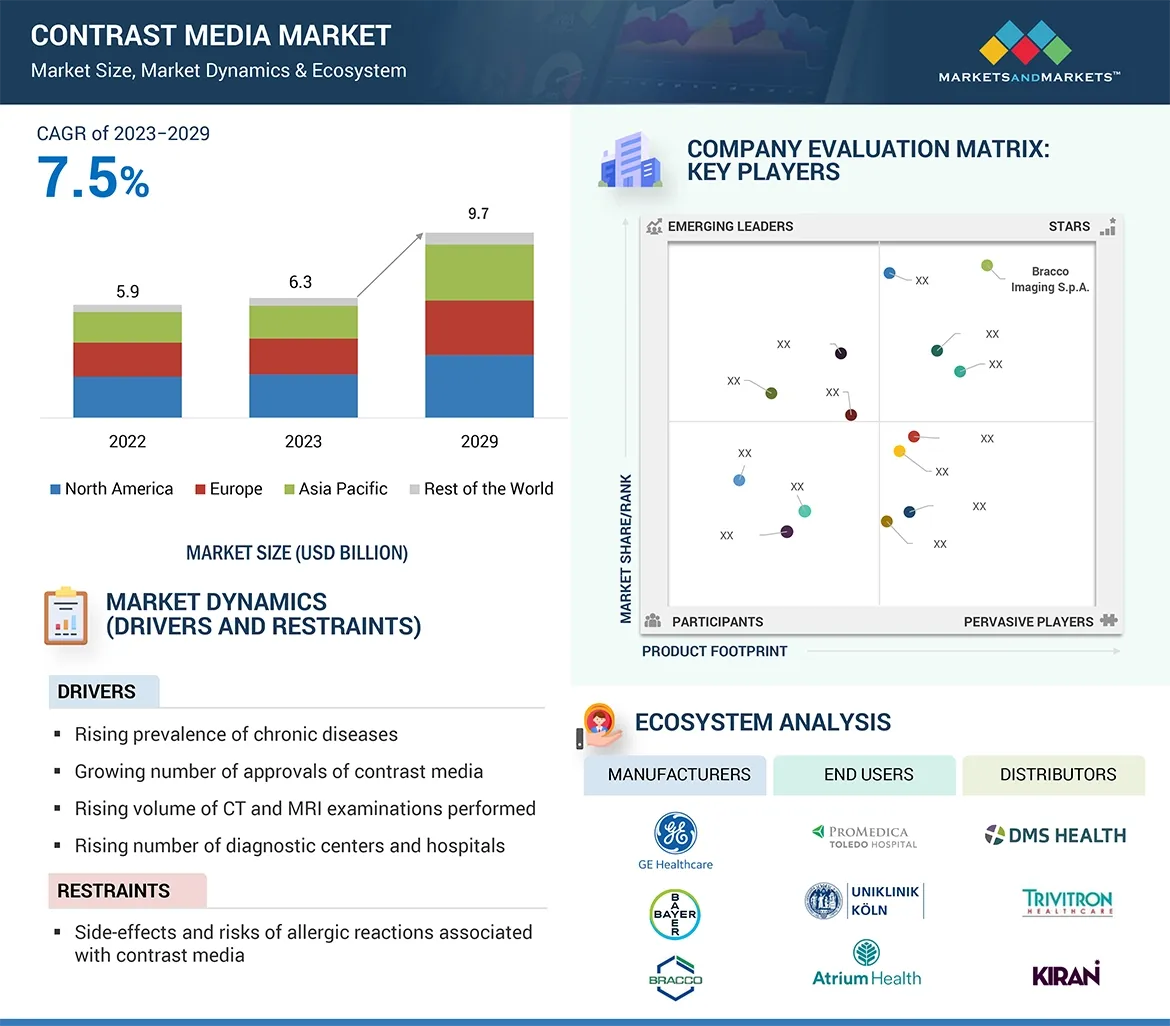
The global medical stick-to-skin adhesives market was valued at $2.2 billion in 2022, increased to $2.4 billion in 2023, and is projected to reach $3.7 billion by 2029, growing at a robust CAGR of 7.5%.
Download PDF Brochure:https://www.marketsandmarkets.com/pdfdownloadNew.asp?id=252354778
Drivers
The increasing prevalence of chronic diseases in Spain, such as diabetes and cardiovascular conditions, significantly drives the demand for medical stick-to-skin adhesives. These adhesives are critical for attaching continuous glucose monitors (CGM), wearable sensors, and long-term diagnostic patches used in managing these chronic conditions. The need for reliable, long-term adherence and advanced wound care solutions due to an aging population fuels the adoption of high-performance medical adhesives, supporting market expansion.
Growing demand for minimally invasive surgical (MIS) procedures across Spanish healthcare facilities boosts the need for specialized stick-to-skin adhesives. MIS procedures often utilize smaller incisions, requiring highly secure and biocompatible tapes and dressings for post-operative wound closure and device fixation. The preference for less painful and more cosmetic wound care solutions, alongside the technological advancements ensuring better skin compatibility and reduced irritation, contributes substantially to the market growth.
Advancements in transdermal drug delivery systems drive the market as these require specialized stick-to-skin patches that ensure controlled and consistent delivery of pharmaceuticals. The convenience and improved patient compliance associated with transdermal patches compared to traditional oral medications make them increasingly popular in Spain. This segment's growth depends directly on the quality and efficacy of the medical adhesives used, pushing innovation toward durable and safe polymer-based solutions.
Restraints
One primary restraint is the potential for adverse skin reactions, such as irritation, allergic contact dermatitis, and skin stripping, caused by prolonged use of adhesives. Healthcare professionals in Spain are increasingly focused on patient comfort and safety, leading to cautious adoption of some adhesive types, especially for sensitive populations like the elderly or neonates. The stringent regulatory environment regarding biocompatibility and safety standards for materials further complicates product development and market entry for new adhesive formulations.
The high cost associated with advanced and specialized adhesive materials, particularly bio-based or high-performance synthetic polymers, can limit their widespread adoption in Spain's cost-sensitive public healthcare sector. Hospitals and clinics often prioritize cost-effectiveness, leading to a preference for traditional, lower-priced adhesive solutions over newer, advanced products that offer better performance characteristics. This budgetary constraint poses a hurdle for manufacturers aiming to commercialize premium stick-to-skin adhesive technologies.
A lack of standardized testing protocols and technical complexity in applying and removing medical adhesives can restrain market growth. Ensuring consistent adhesion performance across diverse skin types and environmental conditions remains a challenge. If application and removal procedures are complicated or inconsistent, it can lead to device failure or patient discomfort, requiring additional training for medical staff and hindering the seamless integration of new adhesive products into routine clinical practice.
Opportunities
A significant opportunity exists in the development and commercialization of advanced, hypoallergenic, and skin-friendly adhesive formulations. Focus on silicone-based or soft polymer adhesives that offer gentle removal and reduced risk of skin injury aligns with growing patient care standards in Spain. Innovations targeting specific patient demographics, like pediatrics or geriatrics, for improved skin health and comfort during long-term device wear, will find a lucrative market segment and foster strong brand loyalty.
The expansion of home healthcare and remote patient monitoring (RPM) services in Spain opens up vast opportunities for user-friendly medical adhesives. RPM devices, such as wearable health trackers and remote sensors, require adhesives that can be reliably applied by non-expert users outside of clinical settings. Developing robust, easy-to-apply, and moisture-resistant adhesives that maintain efficacy during daily activities will be crucial for capturing market share in the rapidly decentralizing Spanish healthcare landscape.
Growing demand for specialized adhesives in niche applications, such as surgical tissue sealants and internal wound closure, presents a high-value opportunity. These specialized products offer superior performance in complex clinical scenarios, reducing surgical time and improving patient outcomes. Spanish medical device companies focusing on R&D for bio-absorbable and advanced surgical adhesives can capitalize on the trend towards high-tech clinical consumables and command premium pricing in this specialized sector.
Challenges
The main challenge is navigating the complex regulatory landscape for medical devices and adhesives in Spain and the EU, particularly regarding materials and clinical safety data. Compliance with evolving regulations, such as the Medical Device Regulation (MDR), demands rigorous testing and documentation, leading to longer approval times and increased R&D costs for manufacturers. Maintaining compliance while rapidly innovating new adhesive products remains a significant logistical and financial burden.
Competition from lower-cost alternatives and generic products poses a financial challenge, particularly when competing for public tenders in the Spanish national health system. Manufacturers of advanced or premium stick-to-skin adhesives must continuously demonstrate clear clinical and economic benefits to justify higher prices over conventional tapes and dressings. Overcoming price sensitivity requires strong evidence of improved patient outcomes, reduced healthcare costs, or superior performance.
Educating healthcare providers and end-users about the correct usage, application, and removal techniques for advanced medical adhesives is a constant challenge. Improper use can lead to compromised device integrity or severe skin trauma, undermining the product's effectiveness. Manufacturers must invest in comprehensive training programs and clear, multilingual instructions to ensure optimal utilization of sophisticated adhesive products across diverse Spanish clinical environments.
Role of AI
Artificial Intelligence (AI) can play a critical role in accelerating the R&D of new adhesive formulations by predicting material properties and biocompatibility. AI algorithms can analyze vast datasets of chemical structures and performance characteristics to simulate how new polymers will interact with human skin, drastically reducing the time and cost associated with traditional laboratory testing and prototyping. This capability allows Spanish manufacturers to rapidly develop superior, less irritating, and highly durable stick-to-skin adhesives tailored for specific medical applications.
AI-powered computer vision and machine learning models are being utilized to enhance quality control during the manufacturing process of medical adhesive tapes and patches. These systems can autonomously inspect adhesive application consistency, defect detection, and precise cutting of complex geometries at high production speeds. Implementing AI in Spanish manufacturing facilities ensures higher product reliability, reduces material waste, and maintains stringent regulatory compliance, leading to a more efficient and standardized production output.
AI also assists in personalized patient care by analyzing data from wearable devices and sensors attached with stick-to-skin adhesives. AI algorithms can monitor skin temperature, moisture levels, and movement patterns to predict when an adhesive might fail or cause irritation. This enables personalized recommendations for adhesive types or timely replacement alerts, improving patient comfort, extending wear time, and enhancing the overall clinical effectiveness of devices in Spanish remote monitoring programs.
Latest Trends
A key trend in the Spanish market is the shift toward developing "smart" or functional adhesives that incorporate integrated sensing capabilities. These new materials can respond to changes in body temperature or pH, or include micro-reservoirs for controlled release of therapeutic agents to prevent skin irritation or infection beneath the patch. This integration transforms passive adhesives into active components of medical devices, offering added value in patient monitoring and localized treatment delivery.
Sustainability and the adoption of eco-friendly materials are becoming a dominant trend in Spain's medical stick-to-skin adhesives market, driven by both consumer preference and environmental legislation. Manufacturers are increasingly focusing on developing bio-based, biodegradable, or recyclable adhesive formulations and backing materials. This shift requires innovation in material science to maintain performance while minimizing the environmental footprint, appealing to Spanish healthcare institutions prioritizing green procurement policies.
There is a noticeable trend toward convergence, where adhesive manufacturers collaborate closely with medical device and wearable technology companies to create pre-integrated solutions. This allows for optimized adhesive properties tailored precisely to the device's function, ensuring enhanced performance and user-friendliness. In Spain, these partnerships accelerate the introduction of advanced wearable diagnostics and drug delivery systems, leveraging specialized adhesives for seamless clinical and consumer adoption.
Download PDF Brochure:https://www.marketsandmarkets.com/pdfdownloadNew.asp?id=252354778